Parliament of Georgia Approves Main Directions of the Monetary and Foreign Exchange Policy of the National Bank of Georgia for 2024-2026
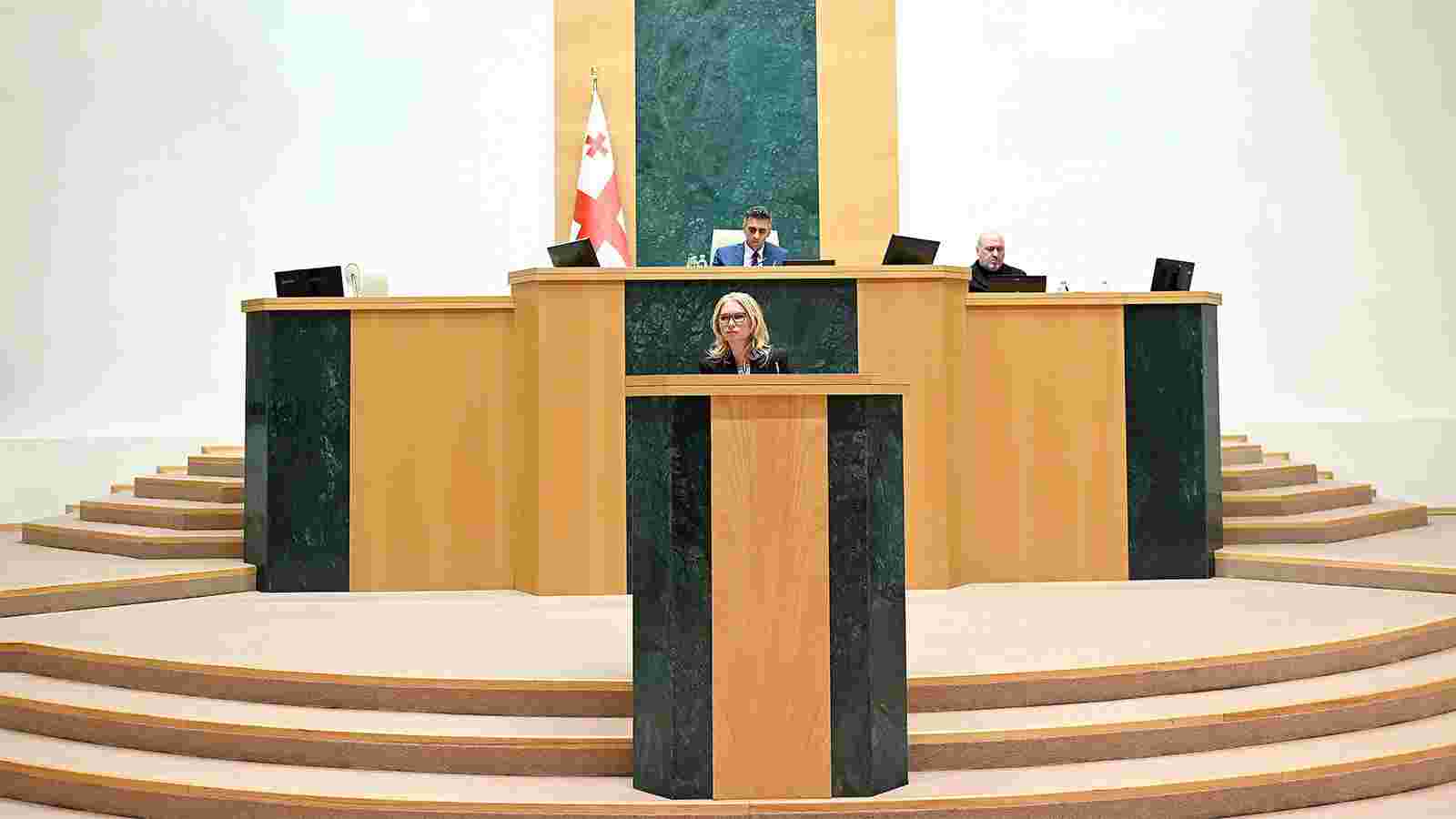
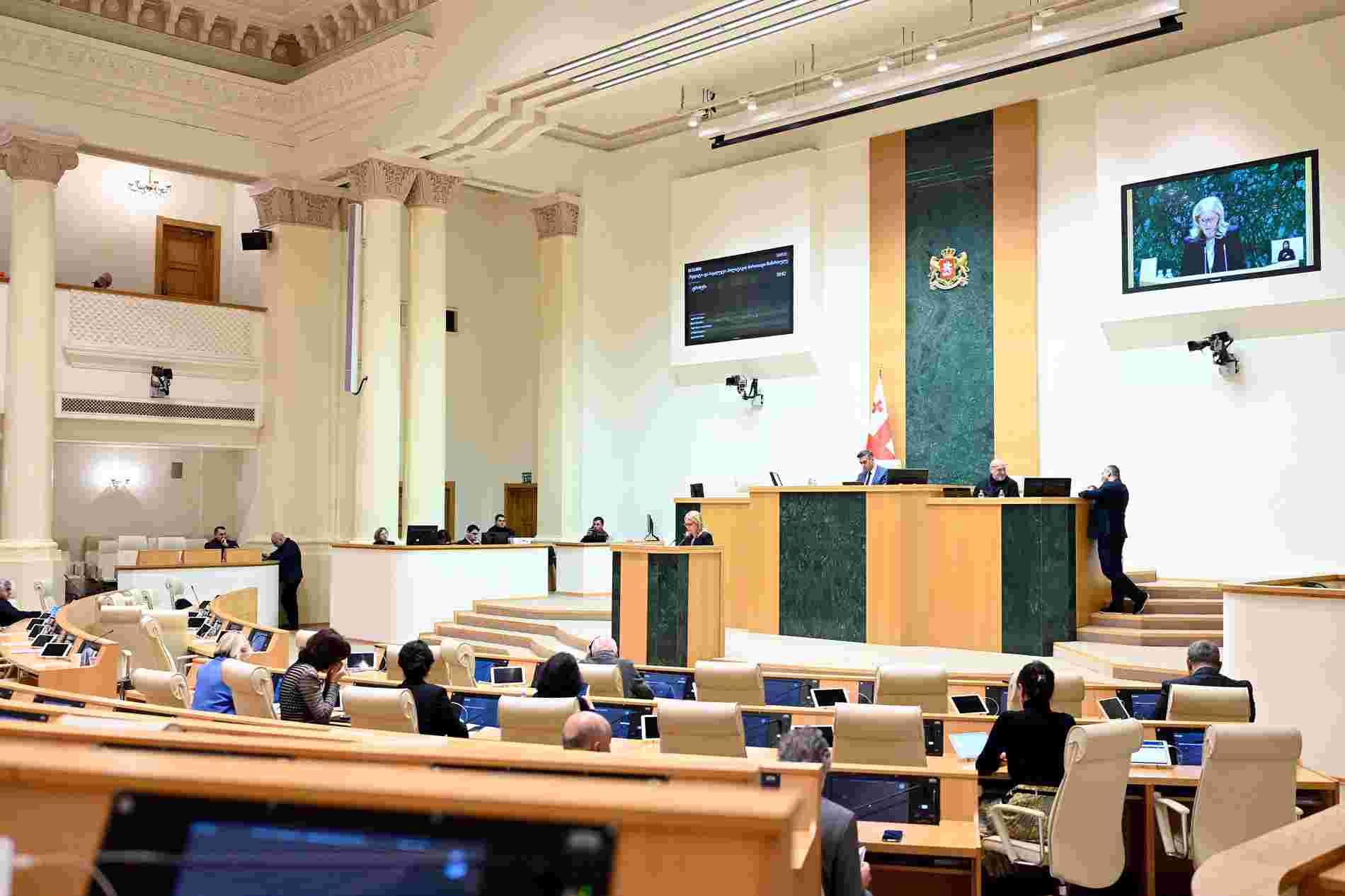
The Parliament of Georgia has voted and supported the draft resolution on the main directions of the 2024-2026 monetary and FX policy, which provides an overview of the level of inflation, the key instruments for monetary policy used to achieve targeted inflation, the current macroeconomic environment and potential risks. The document was presented by Natia Turnava, Acting Governor of the National Bank of Georgia, at the Parliament session.
At the plenary session of the Parliament of Georgia, the Acting Governor of the National Bank of Georgia discussed the advantages of inflation targeting, noting that price stability is a necessary prerequisite for high and stable long-term economic growth. To achieve price stability, the NBG uses the inflation targeting regime to implement monetary policy, commonly recognized as the international best practice.
Natia Turnava mentioned the downward trend of inflation in Georgia. As of November 2023, total inflation is 0.1% and core inflation is 1.8%. The speaker noted that low inflation on the one hand is the result of reduced inflationary expectations and the decline of local inflation in the wake of stringent monetary policy. Appreciation of the GEL exchange rate over the last year, on the other hand, along with gradual diminishing of exogenous shocks, has significantly contributed to the decline in imported inflation and reduced total inflation.
"According to the current macroeconomic forecast of the NBG, the end of 2023 inflation will stay below the target 3%. However, in 2024, mainly due to the base effect, it will temporarily exceed the target rate and will be 3.6% on average. Finally, in the medium term, inflation will stabilize around the 3% target. It should be noted that the fiscal consolidation policy of the Government and measures taken to strengthen competition in individual commodity markets has made a valuable contribution to the reduction of inflation," Natia Turnava said.
Acting Governor of the NBG noted that despite the minor reduction of the rate, the monetary policy remains stringent. Since May, the monetary policy rate has decreased by 1.0 percentage points (PP) and is 10% as of November.
"Considering the risks associated with the baseline scenario, the National Bank of Georgia takes moderate steps to continue to reduce the policy rate. As a result, in the medium term, along with the easing of inflationary risks, the interest rate will gradually approach its neutral level (currently estimated at 7%)," Turnava said.
Natia Turnava noted that last year the NBG used monetary policy rate with other additional instruments to curb inflation, that successfully temporarily slowed lending activity, helping to reduce inflation. Since inflation is low this year and the estimate for the medium-term is close to the target 3%, other terms being equal, additional tools are no longer required to curb lending activity. It should also be noted that the ratio of GDP to credit activity is low on trend. That is why, by the decision of the NBG, maturity of consumer loans have increased to 4 years again.
As part of the report, Natia Turnava also spoke about the historic maximum of Georgia's currency reserves - USD 5.1 billion in November. According to the Acting Governor, maintaining an adequate foreign exchange reserves is a prerequisite for minimizing the country's sovereign risk - a positive factor for investment and macroeconomic stability.
Acting Governor of the NBG also mentioned the country's economic activity and a baseline forecast, according to which the economy will grow by 6% this year, which will be explained by the sooner-than-expected recovery of economic potential during the post-pandemic period, stirred by the increased productivity of production factors and investments.
Wrapping up, Natia Turnava noted that the monetary and foreign exchange policy presented will ensure the price stability in the medium term. Consequently, it will increase the resilience of the Georgian economy towards potential shocks and promote stable and long-term growth of the economy.
15 December, 2023
Photogallery
5